
Materials
Natural Stone Symbolism Without Healing Claims
Colour, personal meaning and tradition—how to talk about what a stone means to you, and what jewelry can honestly claim.
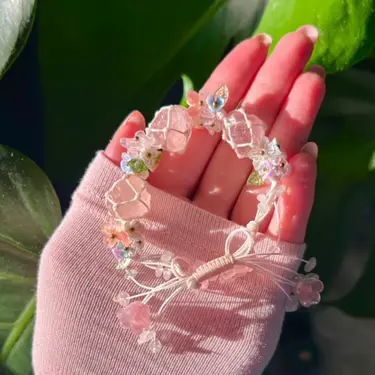
A stone can carry family memories, design associations or a personal intention. Those forms of meaning do not establish that wearing it treats anxiety, changes circulation, attracts wealth or prevents harm.
Describe what can be observed
Useful copy begins with color, translucency, cut, surface, dimensions and declared mineral identity. It should also state known treatments and uncertainty. A photograph can document appearance, but it cannot by itself prove composition, geographic origin or a therapeutic effect.
Keep symbolism in the right register
Phrases such as “chosen as a reminder of steadiness” or “associated in this collection with compassion” describe an intention. Phrases such as “heals the body,” “guarantees protection” or “draws money” describe outcomes and require evidence that jewelry marketing generally does not provide.
Ask three questions
- Is the stone identity tested, supplied as a declaration or inferred from appearance?
- Is the meaning presented as a personal or cultural association, with a source where appropriate?
- Does the seller promise a physical, financial or spiritual result?
At Snowland Muse, intention labels help customers browse. They are not warranties. Material details live on the product page, and the cultural interpretation behind a symbol stays grounded in published sources.
Sources & editorial notes
What this guide is built on
- Health Products Compliance GuidanceU.S. Federal Trade Commission
- Gemstone treatments and careGemological Institute of America
Continue this topic
Materials & Craft
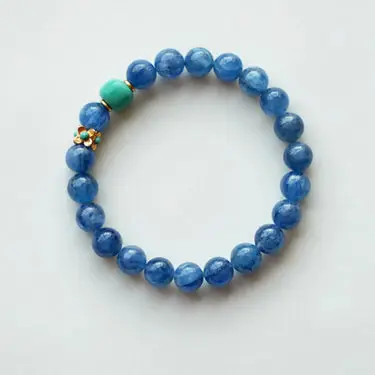
Turquoise and Silver: A Material Disclosure Guide
What “turquoise,” “silver-tone,” “925 silver,” treatments and natural variation actually mean when you shop.
Read guide →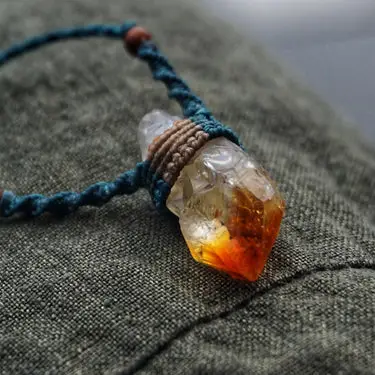
Silver-Tone vs 925 Sterling Silver: What the Words Actually Say
Why a colour description and a fineness mark are different things—and what to ask before comparing price or care.
Read guide →